Study games for AP® students: why I'm building them
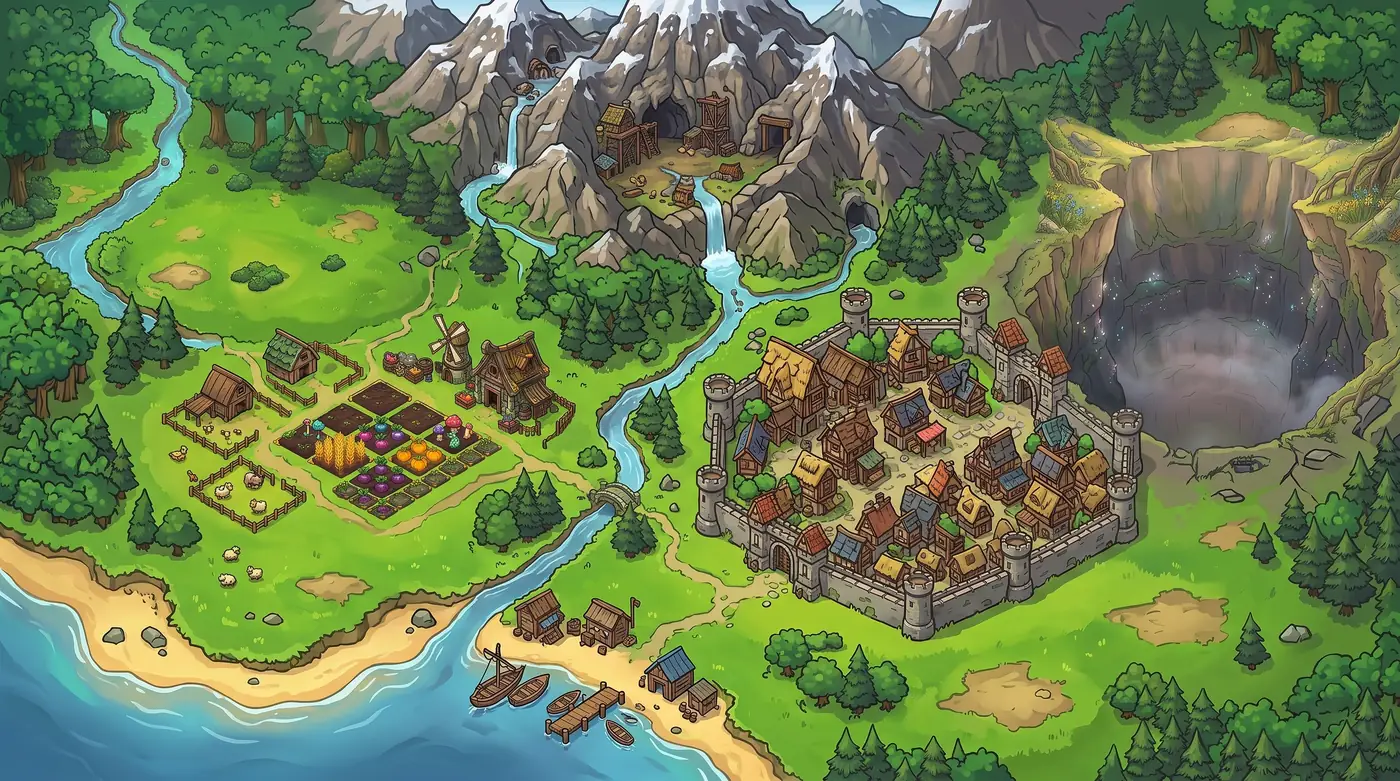
GameTheTest is a set of study games, starting with AP® Psychology and AP® Biology, where every move is a practice question from your course. A right answer grows your crop or powers your attack. A missed question comes back later, so you practice it again until it sticks.
The public alpha opens on November 15, 2026, with three games: a farm called Harvest Hollow, a card battler called The Descent and a match puzzle called Relic Cleanser. There's a free plan.
Why build study games instead of another question bank?
Because a question bank only works if you keep opening it. Most of us know we should practice. The hard part is doing it again tomorrow, and the day after.
Games are good at tomorrow. You come back to water your crops. You come back because you were one floor from the boss. I want that pull to land on practice questions, not on something that has nothing to do with your exam.
So I'm not adding points and badges to a quiz. I'm building games first, and making the questions the thing that moves the game.
How does one question become one move?
Each game ties one action to one question. Here's what that looks like in the first two of the alpha's three games.
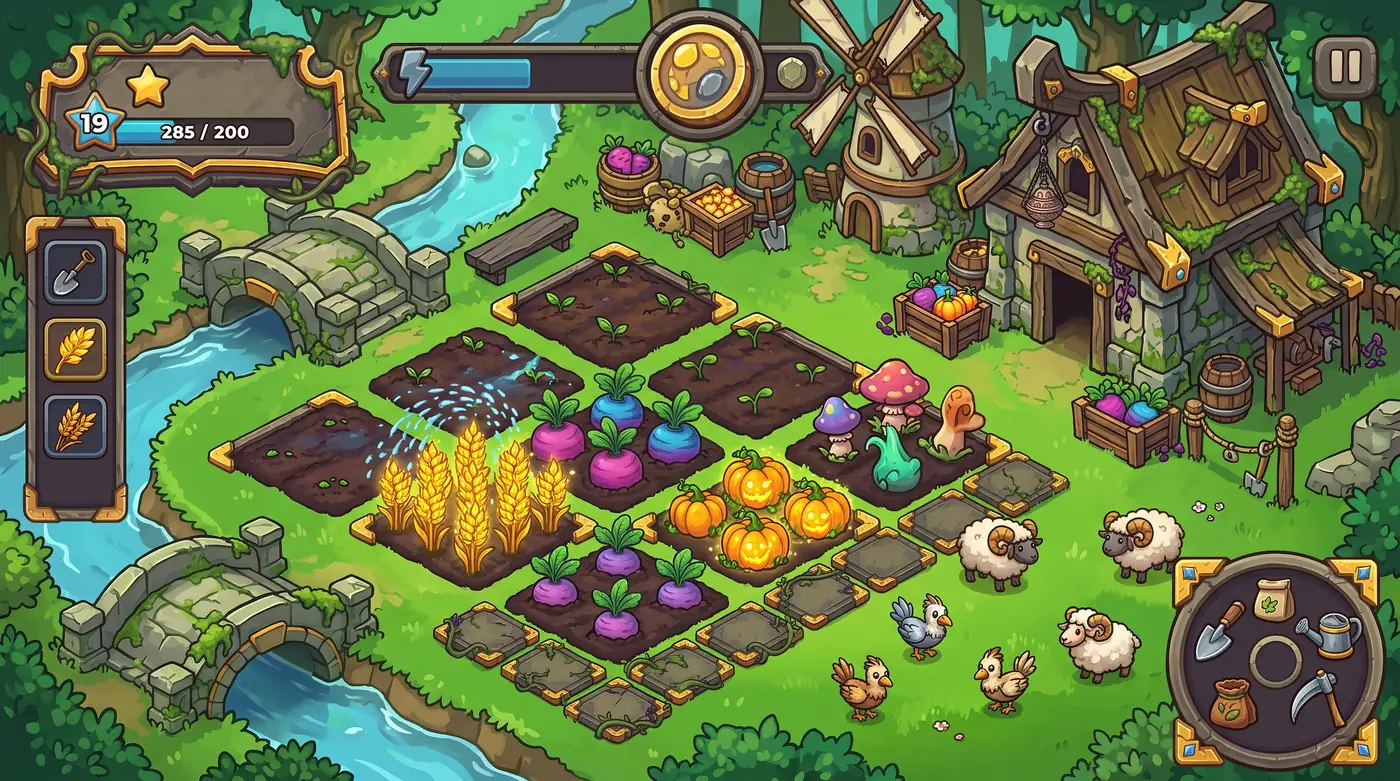
In Harvest Hollow, you plant and water crops, and a right answer grows one by magic. Mining, chopping and forging each cost one question. A missed question comes back later.
In The Descent, each turn of a fight starts with three questions. Every right answer fills one essence to spend on your cards. A wrong answer costs resolve, which is your health for the whole run.
The question is never a gate in front of the fun. It is the move.
What games are in GameTheTest?
There are six games planned. Three are playable in the alpha, and three come after it.
- Harvest Hollow (in the alpha): A cozy farm. Plant, water, mine and sell at the market. Fishing is coming.
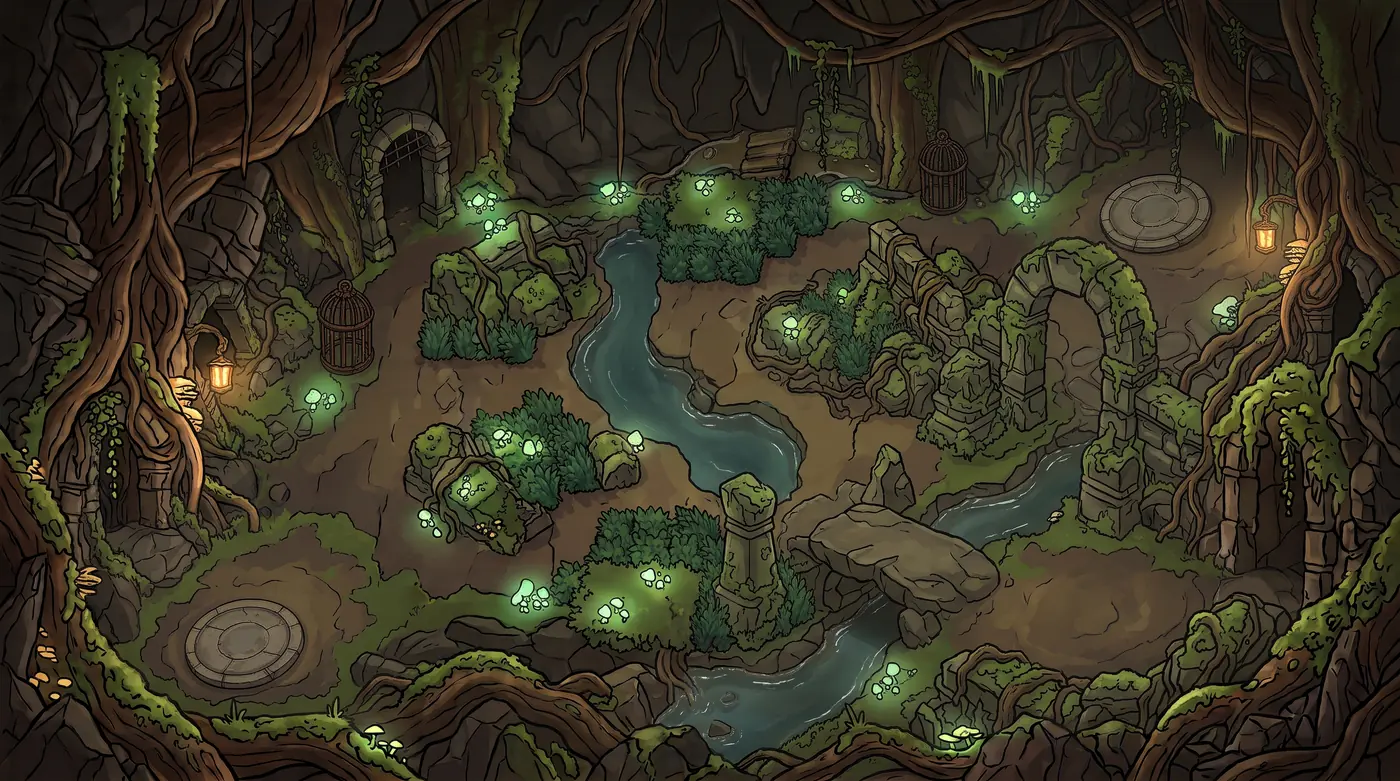
- The Descent (in the alpha): A card battler down a magical pit, with a boss at the bottom of every run.
- Relic Cleanser (in the alpha): A match puzzle to cleanse the corrupted relics you find in The Descent.
- Pit Brawl (after the alpha): Quick team brawls in an arena.
- Thistledown Defender (after the alpha): Hold the village wall against waves of monsters.
- Relic Buster (after the alpha): Bounce portal energy to dig through a crystal cave.
They share one world, and the plan is for progress in one game to help the others. Relics already travel from The Descent to Relic Cleanser. Rare seeds from The Descent growing magical plants on the farm are planned. Whichever game you play, your answers count toward the same course.
Not everyone likes the same kind of game. When you start, you can take an optional short survey about what motivates you. Using it to match the games to you is planned.
What does the research say about learning with games?
The research is more encouraging than I expected, with some limits worth knowing.
- A meta-analysis of gamified learning found gains in what students learned (g = 0.49), their motivation (g = 0.36) and how they studied (g = 0.25) (Sailer & Homner, 2020).
- Across 69 studies, digital games improved learning over non-game teaching, and better-designed games did better still (Clark, Tanner-Smith & Killingsworth, 2016).
- Pulling an answer from memory beats rereading (Roediger & Karpicke, 2006), and spreading practice out over days beats cramming (Cepeda et al., 2006).
That last point is the core of the design. Every move is a recall, not a reread. Misses come back later on purpose.
Does it work?
I don't know yet, and I won't claim it does until we have real results. The alpha is where we find out. What I can tell you is what it's built on: recall, spaced review and games people want to come back to.
What does it cost?
Students, parents, and classroom teachers using built-in courses are always free. Students can pick any built-in AP® or language course starting at Unit 1 and unlock each unit through mastery, with 30 minutes of play a day plus 10 bonus minutes of Study Mode (grounded in distributed-practice research). It stops at a safe moment, never in the middle of a question. Parents get a free Parent Portal, and classroom teachers get a free Teacher Portal to share unit links.
Paid plans haven't opened yet. When they do, players get an optional 7-day free Premium trial, and the paid plans will be:
- Student Premium: $9.99 USD ($13.99 CAD) a month or $29 USD ($39 CAD) per 4-month Semester. Jump straight into any unit right away in any course, with no daily time limit.
- Pro: $14.99 USD ($19.99 CAD) a month, for teachers, homeschool families, and tutors. Unlocks custom non-AP subjects, AI custom question building from your own materials, and Homework Boss-Battle Quests, plus 1 full Student Premium seat included (extra seats $5 USD / $7 CAD a month) and unlimited free 30-minute class invite links.
What's next?
Two devlogs go up with this post. One is about Harvest Hollow, the farm. The other is about The Descent, from concept art to the first fight. After that I'll keep posting devlogs.
If you want to try it, the alpha is free to join.
FAQ
What is GameTheTest?
GameTheTest is a set of study games, starting with AP® Psychology and AP® Biology. Every move in each game is a practice question from your course.
Is GameTheTest free?
Yes. Students, parents, and AP® classroom teachers are always free: pick any built-in course from Unit 1, unlock units as you master them, and play 30 minutes a day plus 10 bonus minutes of Study Mode. When paid plans open, Student Premium will be $9.99 USD ($13.99 CAD) a month or $29 USD ($39 CAD) per 4-month Semester.
Which courses does it cover?
AP® Psychology (5 units) and AP® Biology (8 units), unit by unit. English for IELTS and Trivia open with the alpha too, and French for the DELF is planned.
Is GameTheTest from the College Board?
No. GameTheTest is independent. Our questions are written by our team to match the College Board's AP® Psychology and AP® Biology course and exam descriptions.
Try it as a game
GameTheTest turns AP® Psychology, AP® Biology and IELTS review into games where every move is a practice question. The public alpha opens November 15, 2026. Student accounts are free; talk to a parent before anything paid.
Join the alpha free